Helen Molyneux

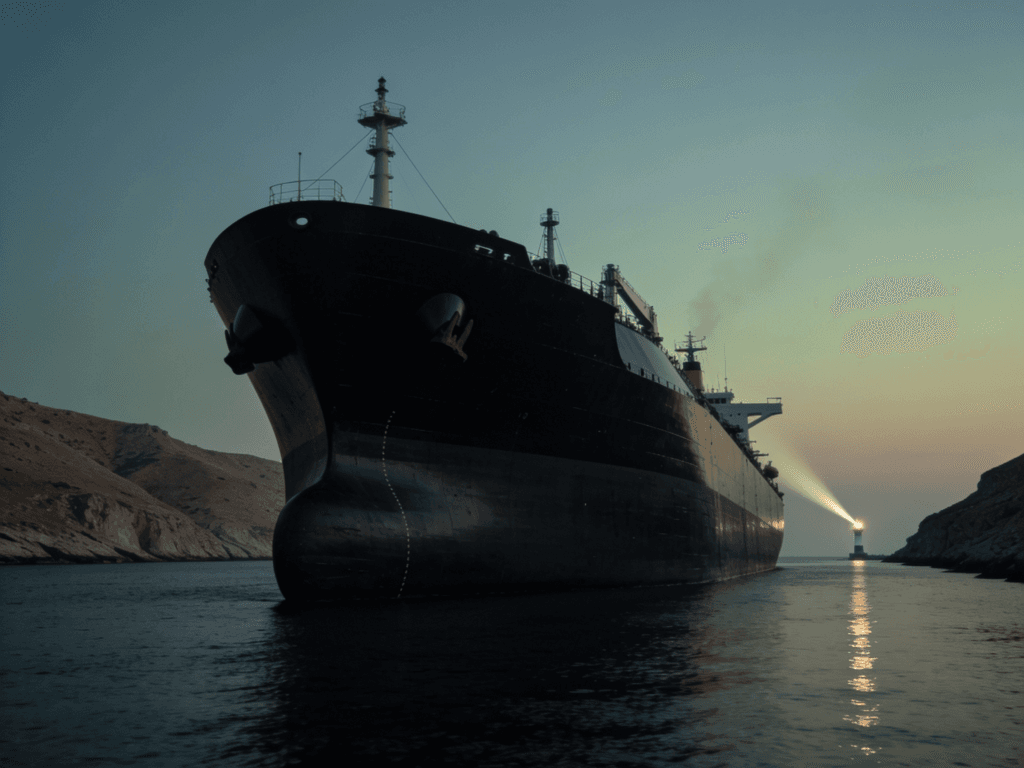
Oil tanker sailing without lights at dusk through a rocky strait, with a distant lighthouse beam across the water

One in Twenty: What the Hormuz Bonus Tells Us About Risk Appetite

I was listening to Times Radio yesterday when the conversation turned to the pay now on offer to tanker crews prepared to take ships through the Strait of Hormuz. The Financial Times has reported captains earning around $100,000 a month, against a normal rate of about $15,000, plus a $50,000 bonus for each passage, with

One in Twenty: What the Hormuz Bonus Tells Us About Risk Appetite Read More »
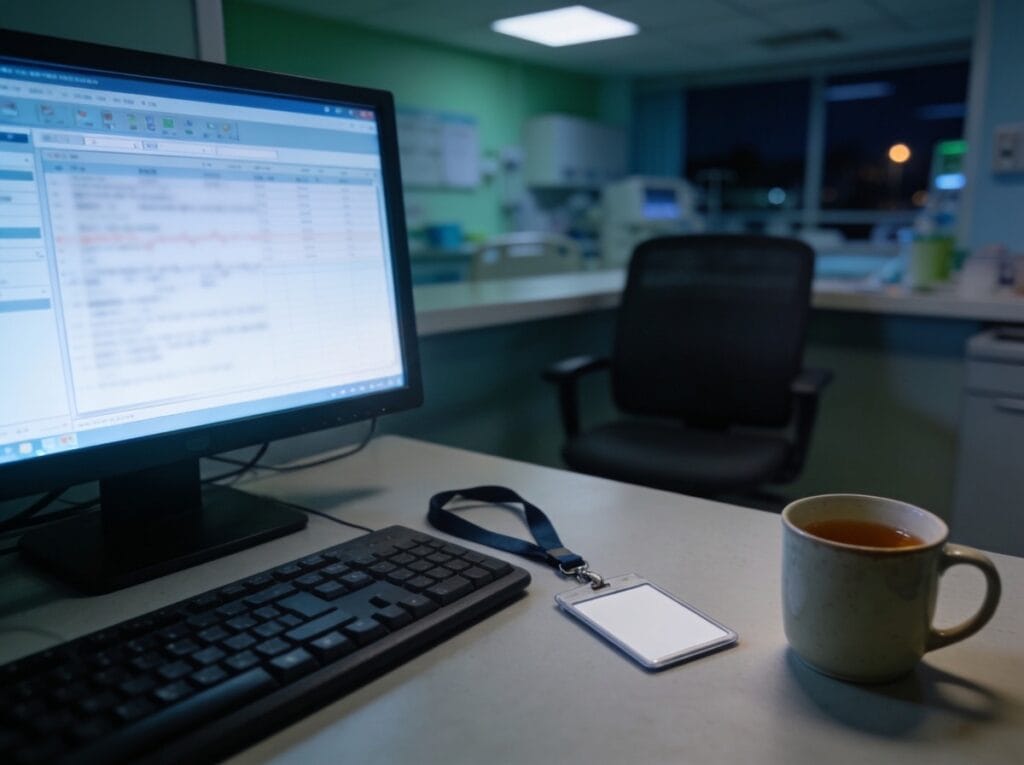
Empty chair and staff lanyard beside a hospital computer showing a patient record with an access alert, after NHS snooping suspension

NHS Snooping Crackdown: Suspension Is the Easy Part

Back in June I wrote about three hospital trusts where dozens of staff had looked at the records of patients who happened to be in the news: the Southport victims treated at Aintree, the Nottingham stabbing victims, and the three-year-old injured at a zoo near Huntingdon who was taken to Addenbrooke’s. What struck me most

NHS Snooping Crackdown: Suspension Is the Easy Part Read More »

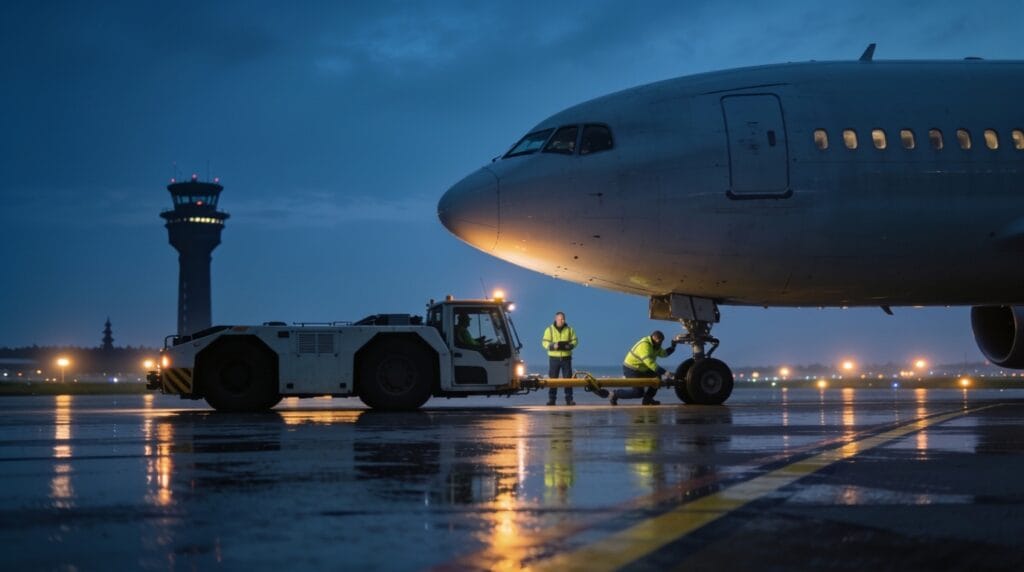
Ground crew repositioning an aircraft on a wet airport apron at dusk, with an air traffic control tower in the background

The Fault Lasted a Millisecond. The Recovery Took Days.

On 8 September, a defect in the software that allocates radar identification codes to aircraft over the UK lasted, by NATS’ own account, a matter of milliseconds. Controllers lost the ability to tell which blip on their screens belonged to which flight without switching to manual coordination, and restrictions went on across the whole of

The Fault Lasted a Millisecond. The Recovery Took Days. Read More »

Risk professional reviewing an AI risk register heat map next to an AI assistant chat window

A Researcher Just Put a Number on Human Extinction. Your Risk Register Needs a Different One.

This week produced three AI stories that look separate but aren’t. Anthropic’s own alignment lead put a number on AI wiping out humanity: a chance he personally puts at more than 10% within the next decade. The company’s latest Threat Intelligence Report disclosed that it has spent the months since December 2025 detecting and blocking

A Researcher Just Put a Number on Human Extinction. Your Risk Register Needs a Different One. Read More »

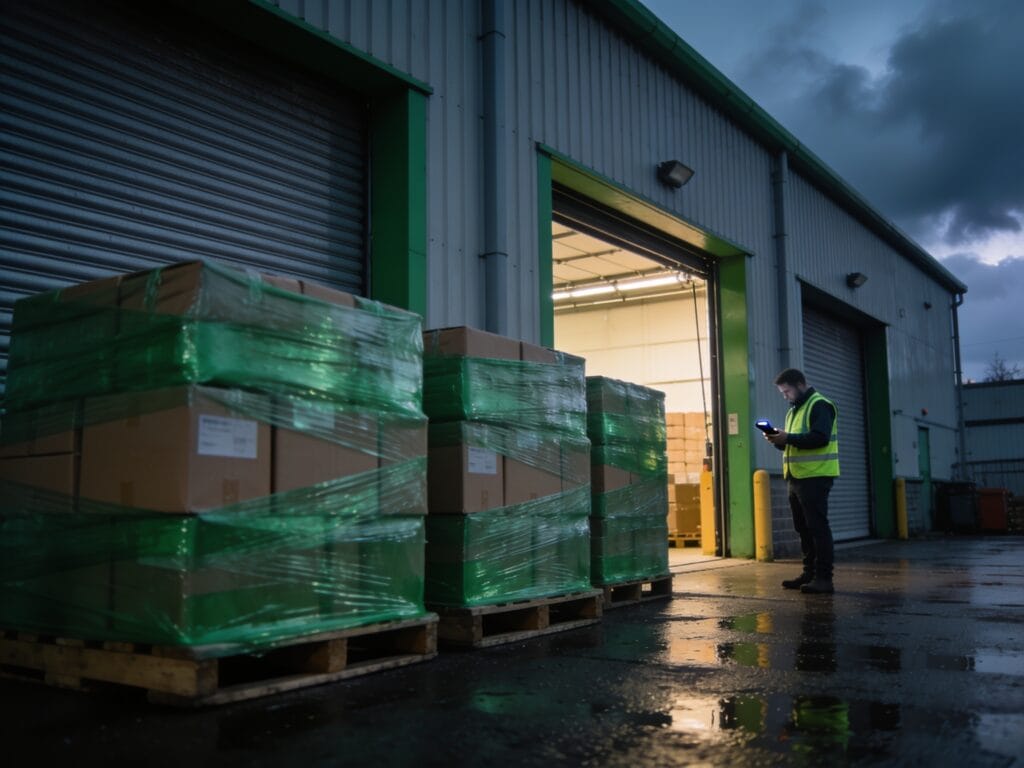
Warehouse worker checking stock levels beside wrapped pallets, part of the UK's food supply chain, as storm clouds gather overhead

Stockpile the Tins. Audit the Supply Chain.

On Friday, the government told the country to start putting food aside. Environment Secretary Dame Angela Eagle said the UK is heading into what could be the largest El Niño event since records began in the nineteenth century, with sea temperatures in the Pacific running more than three degrees above average. The practical translation for

Stockpile the Tins. Audit the Supply Chain. Read More »

Close-up of hands adjusting a small brass gear within a larger, intricate clockwork mechanism

A Forgotten Certificate Just Broke Email for Millions. That’s the Real Story.

On Monday evening, Outlook and Exchange Online stopped working. Not for one company, for a meaningful slice of the world. People couldn’t log in. Messages sat unsent. Search returned nothing. IT teams spent hours fielding calls from colleagues who couldn’t do their jobs, because the one tool most of us touch fifty times a day

A Forgotten Certificate Just Broke Email for Millions. That’s the Real Story. Read More »

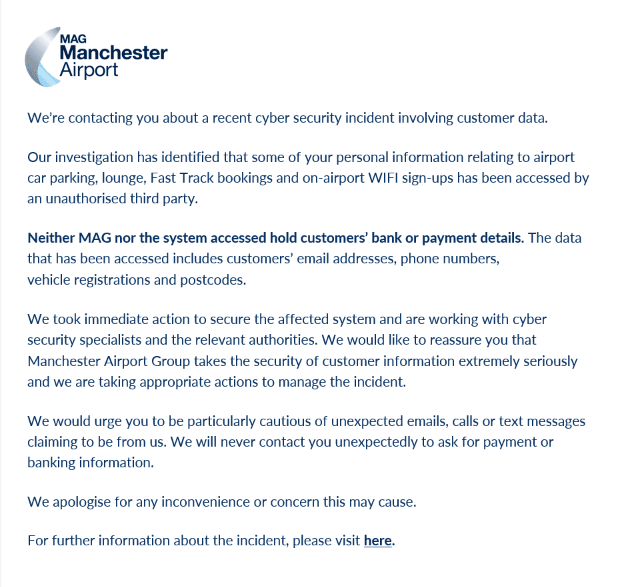
Screenshot of Manchester Airport Group's customer email notifying passengers that car parking, lounge, Fast Track and WiFi data was accessed in a cyber security incident.

I can change a password. I can’t change my number plate.

I got an email last week that a lot of people reading this will also have had. Manchester Airports Group wrote to tell me my data had been caught up in a cyber security incident. In my case it was the car parking, and not the cheap kind either, since I’d paid for it three

I can change a password. I can’t change my number plate. Read More »

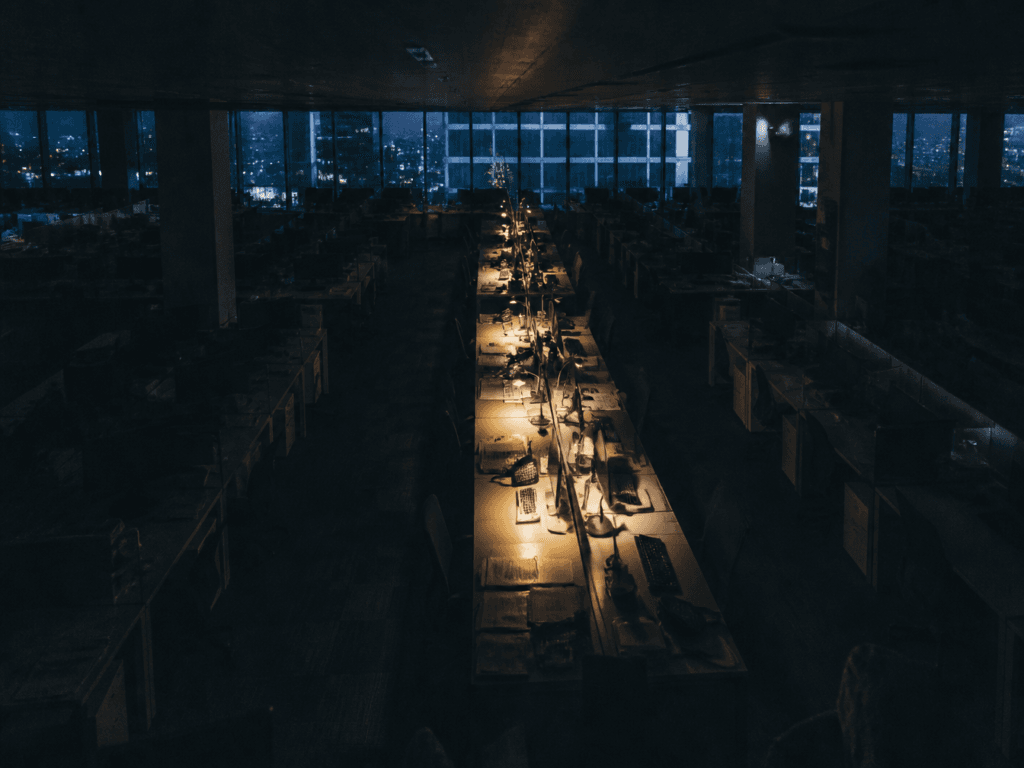
A darkened open-plan office at night, every desk empty and unlit except a single row still working under lamplight, city skyline visible through the windows.

Minimum Viable Company: What’s Actually New Here?

A term with real momentum, four different definitions, and a decade-old cousin nobody mentions. Ask four different advisers to define “Minimum Viable Company” and you’ll get four different answers, all wearing the same three letters. That’s usually the first sign a term hasn’t earned its place in the vocabulary yet — and it’s worth working

Minimum Viable Company: What’s Actually New Here? Read More »

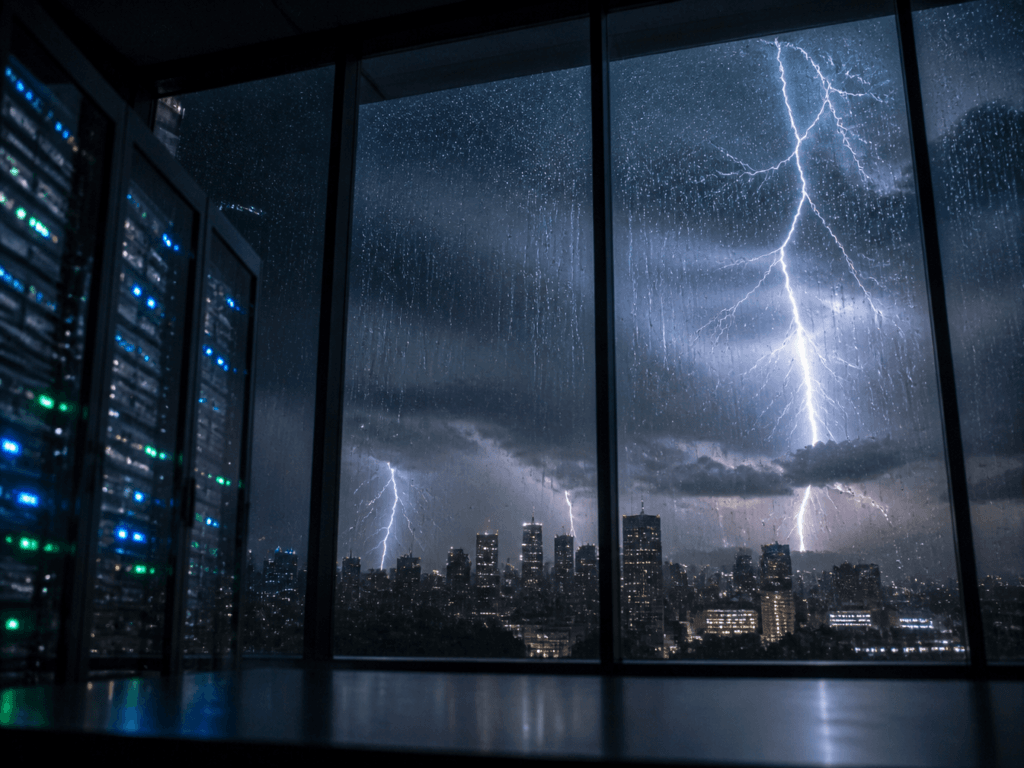
A server room with glowing status lights in the foreground, viewed through a rain-streaked window at a lightning storm over a city skyline at night

The most predictable risk in resilience planning is also the most ignored one

Look at the last few days. Heathrow spent part of last week warning passengers off the roads after flooding closed access to two terminals. A flood warning is in force for Nelson in Lancashire, with alerts out across Merseyside and the North East, arriving straight after weeks dry enough to count as drought, and yellow

The most predictable risk in resilience planning is also the most ignored one Read More »

Yellow and black pipeline warning marker post in a grassy field with dry stone walls and Peak District hills behind, marking the route of the proposed Peak Cluster CO2 pipeline

Peak Cluster and the CO2 Pipeline: the business continuity conversation nobody’s having

There’s a proposal working its way through the planning system at the moment that deserves more attention from a business continuity perspective than it’s currently getting. Peak Cluster is a carbon capture and storage scheme that would take CO2 from cement and lime works in Derbyshire and Staffordshire and move it 120-odd miles by pipeline,

Peak Cluster and the CO2 Pipeline: the business continuity conversation nobody’s having Read More »