
None of It Was Mine to Fix: What a Trip to the Alps Taught Me About Contingency Planning
I’ve just got back from a few days in the Alps, and the getting there and back was, in its own small way, a masterclass in exactly the thing I spend my working life advising other people on: how little control you actually have over the things your plans depend on, and how much of what happens next comes down to contingency planning instead.

Four organisations, none of them mine
The flight out was an hour late before I’d even left home soil. Then passport control – everyone funnelled into a single queue right up until the front, at which point we were abruptly split into those who’d registered biometric data and those who hadn’t, with no warning and no signage to tell you which line you were about to be sorted into. That cost enough time that I was racing for my train, and stepped through the doors to France as they were closing behind me.
I had a four-hour gap before my connecting train, which should have been generous. It wasn’t. Delayed, delayed again, and finally cancelled, which meant I reached my destination two and a half hours late – on what should have been the easy leg.
The buffer that worked, and the one that didn't
Coming home, I’d learned my lesson. I booked an earlier train specifically to build in slack. The train was delayed again – of course it was – but because I’d given myself so much margin, I still reached the airport at four o’clock for a nine o’clock flight. Textbook contingency planning, and it worked exactly as intended.
Except the flight itself never had a chance. The board showed nothing for a long time, until I worked out for myself that the inbound aircraft hadn’t left Manchester. Shortly afterwards, it was cancelled outright, leaving me an unplanned night in Geneva and a car park bill for the extra hours that easyJet, unsurprisingly, has no intention of refunding.
None of it was Mine to Fix
What strikes me most, looking back, is that at no point in any of this did the failure sit with me. An airline’s scheduling, a train operator’s infrastructure, a border agency’s queue management, another airline’s aircraft rotation hundreds of miles away in Manchester – four completely separate organisations, each one capable of derailing my day, and not one of them answerable to me in any way that mattered in the moment.
That’s precisely the position most organisations are in with their own supply chains, whether they’ve thought about it in those terms or not. You can audit a supplier, build a strong contract, even run joint exercises with them, and none of it changes the fact that when their system fails, you experience the consequences as if it were your own failure, with none of the levers to fix it. The single point of failure isn’t always yours. Often it belongs to somebody three steps removed, who you’ve never spoken to and have no way of contacting when it matters.
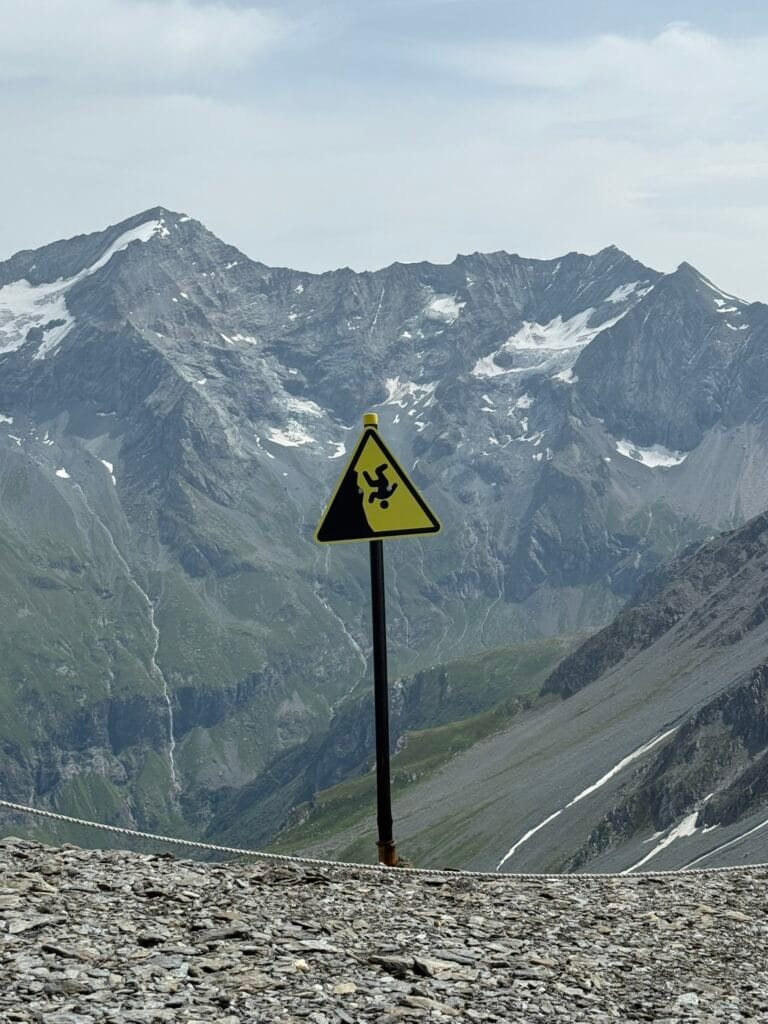
Contingency Planning: The only lever you actually have
The passport control queue is the detail I keep coming back to, because it’s such a clean example of a process built around an assumption – that everyone in the queue had not yet registered biometric data – with no thought given to what happens to the people who have previously travelled to Europe, and have registered their data. Nobody planned for chaos; they just didn’t plan for the gap between the process as designed and the reality of the people going through it. That’s a more common failure mode in organisations than outright disaster: not a catastrophic breakdown, just a process that only works if everyone upstream has done what they were supposed to.
The lesson from the two journeys, side by side, is a simple one: you cannot control the airline, the train operator, or the border agency, and no amount of supplier management will change that. What you can control is your own margin – the four hours instead of two, the earlier train instead of the later one, the buffer that absorbs somebody else’s failure without becoming your own. Slack is the only lever available to you when the point of failure belongs to someone else, and building it in deliberately, before you need it, is the closest thing to control you’ll actually get.